
John Strumbos, Ph.D.
Chief Executive Officer & Co-Founder
Initially trained as an ion channel physiologist, Dr. Strumbos worked as a biotech investor and advisor before taking on leadership roles at Roivant, Immunovant, Scipher Medicine, and Delin Ventures. Prior to founding Mimetic, Dr. Strumbos raised an aggregate of $670 million in growth capital to support the scaling of biotech and life sciences companies. Dr. Strumbos earned his Ph.D. in Neuroscience from Yale University, M.B.A. from the Yale School of Management, and B.A. in Neuroscience from Columbia University.

Rasheen Powell, Ph.D.
Chief Scientific Officer & Co-Founder
After pioneering the therapeutic use of short lipidated peptides (SLiPs) while pursuing a doctorate at U. at Buffalo’s Jacobs School of Medicine & Biomedical Sciences, Dr. Powell completed his postdoctoral fellowship at Boston Children’s Hospital under the supervision of Clifford Woolf, M.B., B.Ch., Ph.D. He has published his research in peer-reviewed scientific journals such as Nature Communications, FASEB, Pain, JCI, & Cell Reports Med. He is an inventor on multiple patents covering therapeutic interventions for pain.

Lotte Bjerre Knudsen, D.M.Sc.
Scientific Advisory Board
Dr. Bjerre Knudsen is a seasoned drug developer and biotechnologist whose pioneering work helped launch the modern revolution in peptide therapeutics for diabetes and obesity. Over more than 36 years at Novo Nordisk, she co-invented liraglutide and led research programs for liraglutide and semaglutide, helping establish GLP-1 receptor agonists as one of the most consequential therapeutic classes in modern medicine.
Throughout her career, Dr. Bjerre Knudsen has pursued the therapeutic potential of GLP-1 biology across diabetes, obesity, cardiovascular disease, kidney disease, and other indications. She has authored numerous scientific publications, is an inventor on multiple patents, and has represented Novo Nordisk at five FDA advisory committee proceedings. When Novo Nordisk's early GLP-1 program faced potential termination in the mid-1990s, she championed its continuation, helping overcome fundamental challenges in peptide stability, potency, and duration of action. Her work on fatty-acid acylation and reversible albumin binding helped transform short-lived peptides into practical, long-acting medicines.
Dr. Bjerre Knudsen earned her biotechnology degree from the Technical University of Denmark and doctorate in scientific medicine from the University of Copenhagen. Her honors include the 2023 AAAS Mani L. Bhaumik Breakthrough of the Year Award, the 2024 Lasker–DeBakey Clinical Medical Research Award, the 2025 Breakthrough Prize in Life Sciences, the 2026 Cameron Prize for Therapeutics and many more.
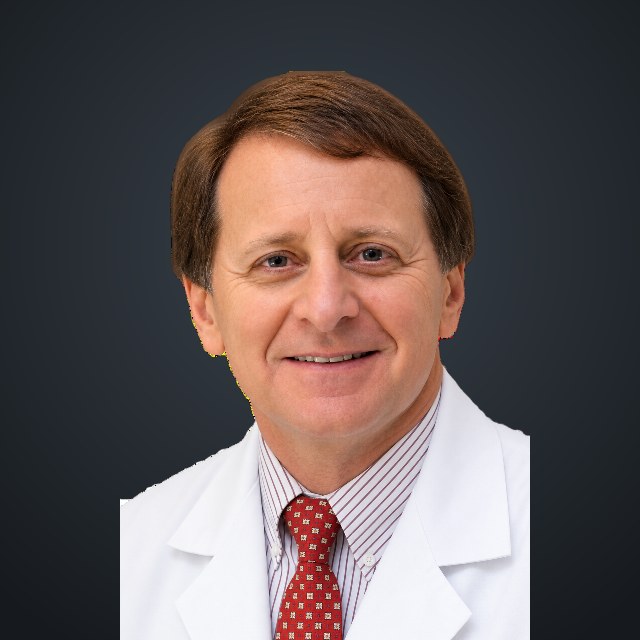
Stephen G. Waxman, M.D., Ph.D.
Scientific Advisory Board
Dr. Waxman’s research capitalizes on the “molecular revolution” to develop new therapies that can restore function after nervous system injury. He has published more than 800 scientific papers. His h-index is 126 and his papers have been cited more than 60,000 times. Currently, Dr. Waxman serves as the Bridget Flaherty Professor of Neurology, Neuroscience and Pharmacology at Yale University. He served as Chairman of Neurology at Yale from 1986 until 2009. He founded the Neuroscience & Regeneration Research Center at Yale in 1988 and is its Director. Prior to Yale, he held faculty positions at Harvard, MIT, and Stanford.
Dr. Waxman’s first paper in Nature was published in 1970. His research defined the ion channel architecture of nerve fibers, and demonstrated its importance for axonal conduction (Science, 1985). He demonstrated sodium channel plasticity that supports recovery of impulse conduction in demyelinated axons (Science, 1982) and pinpointed the molecular identity of the channels that restore impulse conduction in MS (PNAS, 2004). His molecule-to-man studies on pain include a translational leap from laboratory to humans, where he used molecular genetics, molecular biology, and biophysics to demonstrate the role of ion channels in human pain (PNAS, 2006). He led an international coalition that identified sodium channel mutations as causes of peripheral neuropathy (PNAS, 2012). He has used atomic-level modeling to advance pharmacogenomics in a paper (JAMA Neurology, 2016), accompanied by an editorial stating “there are few examples in clinical medicine where molecular reasoning has been rewarded with comparable success.”

Clifford J. Woolf, M.B., B.Ch., Ph.D.
Scientific Advisory Board
Dr. Woolf has published over 320 research papers on molecular, cellular, and systems neurobiology and has 35 issued patents. He has an h-index of 166 and 124,000 citations. His research is devoted to investigating how the functional, chemical, and structural plasticity of neurons is involved in both the normal adaptive functions of the nervous system and in maladaptive changes that contribute to neurological diseases, with a particular focus on pain, regeneration, and neurodegeneration and on the exploitation of stem cell-derived neurons to model disease and for drug screening. Dr. Woolf has founded several companies.
Dr. Woolf was born in South Africa, where he earned his M.B., B.Ch., and Ph.D. degrees. He then moved to London and became Professor of Neurobiology at University College London. In 1997 he was recruited by the Massachusetts General Hospital and Harvard Medical School to serve as the Richard J. Kitz Professor of Anesthesiology Research and director of the Neural Plasticity Research Group. In 2010 he was named director of the F. M. Kirby Neurobiology Center at Boston Children’s Hospital and became Professor of Neurology and Neurobiology at HMS. He is faculty both in the department of Neurobiology at Harvard Medical School and in the Harvard Stem Cell Institute. In 2022 he was appointed the Blackfan-Diamond Chair of Neuroscience Research at Boston Children’s.
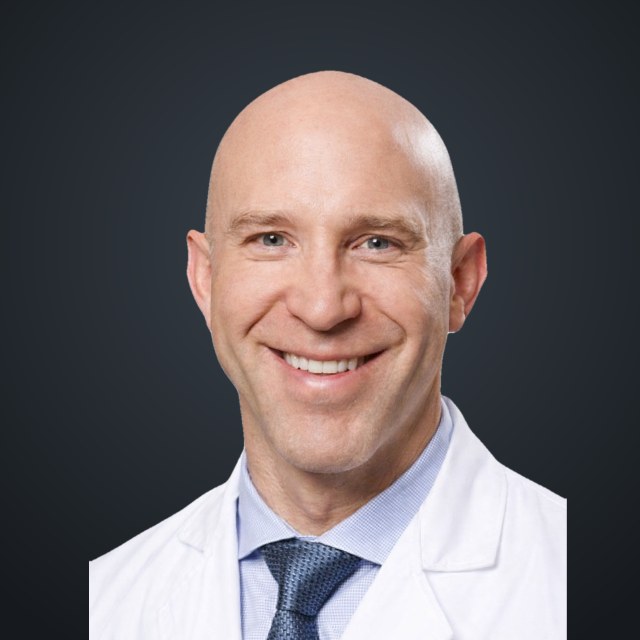
Aaron J. Przybysz, M.D., Ph.D.
Scientific Advisory Board
Dr. Aaron Przybysz (pronounced “Shib – ish”) is the Division Chief and John L. Curci Family Endowed Chair in Pain Management at Hoag Hospital. He is double board-certified in anesthesiology and pain medicine and has extensive training in the diagnosis and treatment of spine pain, peripheral joint pain, neuropathic pain, cancer pain, and headache management.
Dr. Przybysz has received numerous awards including being named an Orange County Medical Association Physician of Excellence, A Super Doctor for the Los Angeles area, a Castle Connolly Top Doctor, an America’s Top Doctors Award winner, and a nominee for the prestigious John J. Bonica Award from the American Society of Regional Anesthesia and Pain Medicine.
Dr. Przybysz continues to be involved in clinical research with open clinical trials focusing on the use of pulsed electromagnetic field therapy to treat chemotherapy-induced peripheral neuropathy and peripheral nerve stimulation to treat refractory knee pain. He has authored numerous clinical and scientific publications and has been a guest lecturer nationwide. He’s a member of the American and California Societies of Anesthesiologists, American Board of Anesthesiology, and American Society of Regional Anesthesia and Pain Medicine.